
Explain Things
Journalism in the world (344/365)

Because we are finite and limited creatures, most of what we know comes from what others tell us: stories, lessons, songs, words, photographs. We first learn to trust our parents, then our teachers, then other people.
Through them, and through their experiences, we understand the world.
Or at least some parts of the world.
Because reality is usually too complex to be understood by someone—imagine, say, trying to understand the complete and exact set of causes that led World War I, the Cold War, or 9/11—and because we’re lazy and biased, we more or less always end up with dumbed-down versions of stuff (economic concepts, historical events, political theories, even family narratives).
In other scenarios though, people hide, manipulate, or embellish information to gain something: an edge, power, or authority.
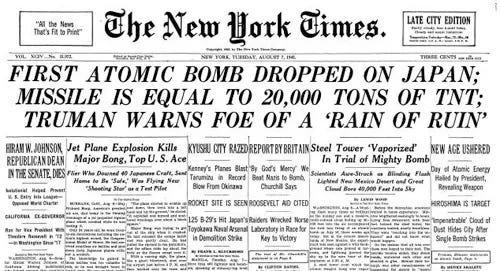
After the bombing of Hiroshima—says a narrator in “The New Yorker at 100”, a Netflix documentary that offers a behind-the-scenes look at the magazine—the U.S. government banned the publication of any photographs that showed civilian suffering.
Americans were in the dark about what the people there had experienced.
Most of the news about the bomb was about its power, and about how many buildings it could destroy, but nobody was telling the stories of the people who experienced it.
One guy from The New Yorker went to Japan and wrote Hiroshima, a 31,000-word text—around a hundred pages—about six survivors, and what they saw during the first three or four days after the bomb fell.
The magazine dedicated an entire issue to that story, and sold out within hours. Einstein—according to the Netflix documentary—bought a thousand copies and circulated them among scientists.
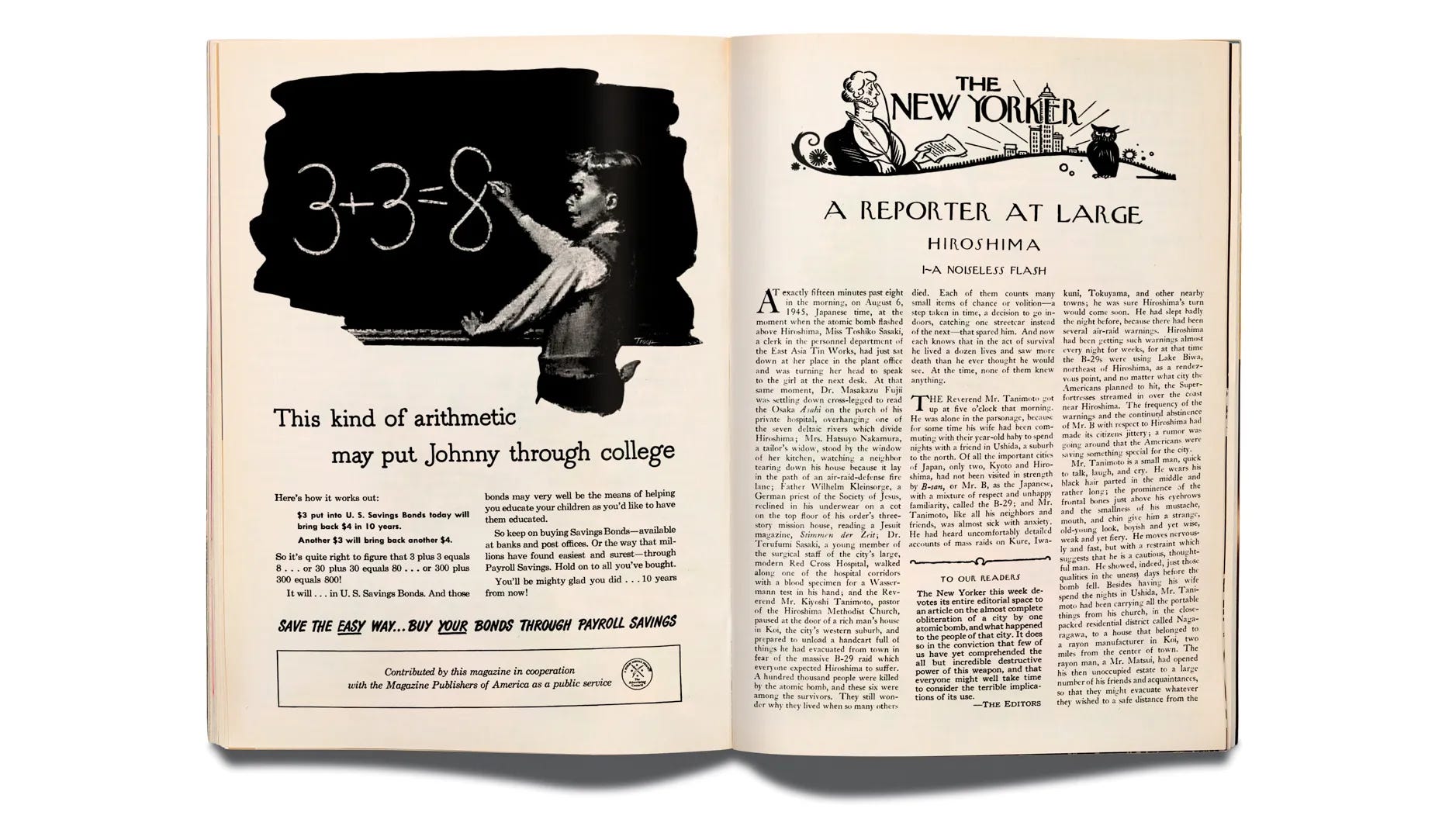
Hiroshima is a beautiful text with harrowing details I’ll never forget. I read it yesterday and had nightmares about it.
To say that the article had a huge impact is an understatement. In 1999, NYU published a list titled The 100 Top Works of Journalism of the Century and Hiroshima got the number one spot.
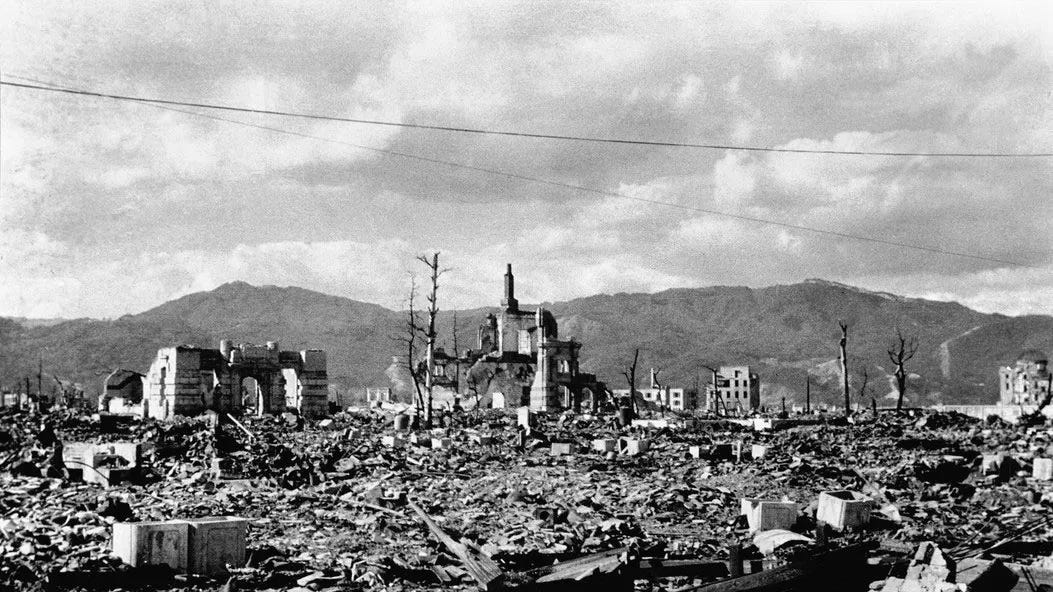
It helped explain to the world what had really happened and how destructive was the bomb from the POV of ordinary citizens. It triggered protests and a huge debate about weapons.
Some years ago, Stephen Colbert invited Malcolm Gladwell onto his show. Near the end of their conversation—where Gladwell reveals his introverted side—Colbert asks him about the core of his essence.
What’s at the center of your belief? Like, what is the core of Malcolm Gladwell? If I cut you open and counted the rings, what’s that center ring?
I just want to explain things to people.
I feel the same way, and I’ve structured the last fifteen years of my professional career around this idea.
From Astrolab, where we help people inspire others with their ideas and fix how collaboration works, to this daily blog, and all the way to Mondoli Writing, my new writing and ghostwriting project, most of what I do has to do with explaining stuff to people, and in doing so, help others understand more.
I think of it as a way to show gratitude—passing the torch in the hope that someone will benefit from my point of view.
Maybe I’ll contribute something that helps others create meaning for themselves and for their communities. That would be neat.
#day344