
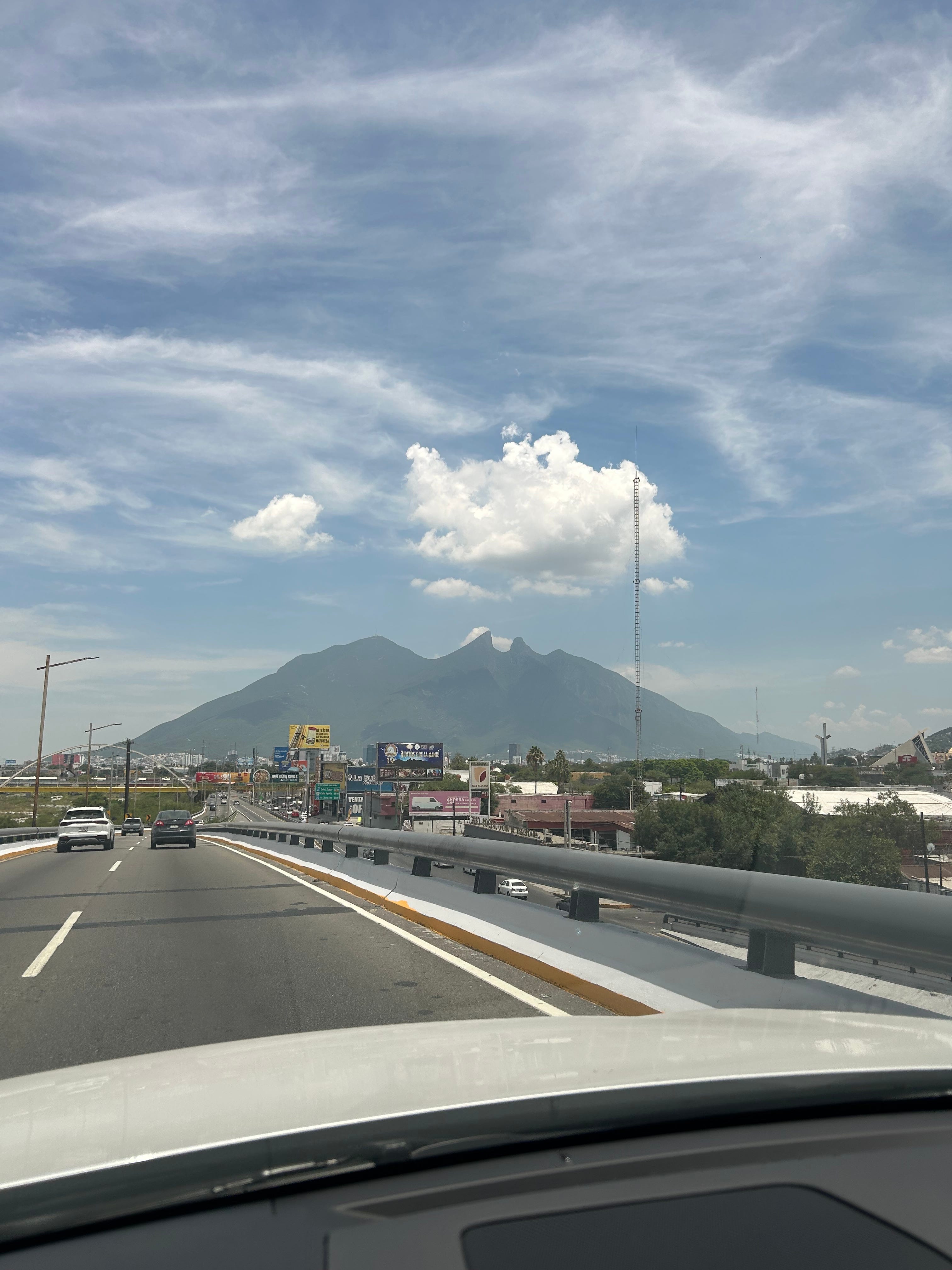
Monterrey
An ode to a hardcore city (202/365)

If you study Mexican history all the way from the first civilization established in the country (Olmecs, around 1500 BC) to the beginning of the twentieth century, you won’t find many references to the city of Monterrey.
That is, nothing important really happened there—except perhaps for the Battle for Monterrey (1846), part of the Mexican–American War, and central topic of my final IBO Extended Essay.
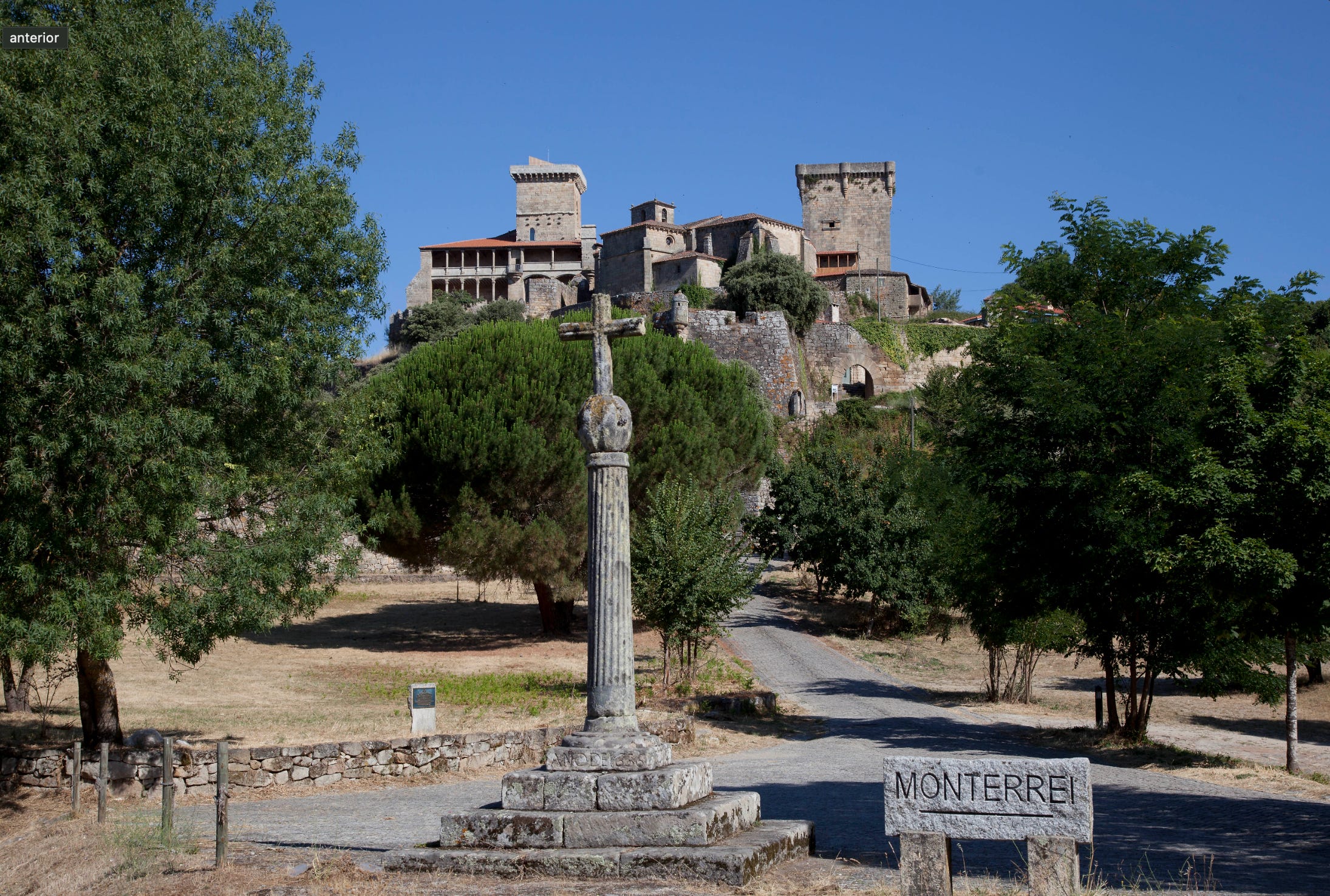
Monterrey—the city where I was born, where I lived for thirty-five years, and from where I write this—was founded in 1596 and its name comes from a small city in Galicia, Spain named Monterrei, which literally means King Mountain or Mountain King (monte = small mountain, rey = king).
Here’s a picture of Monterrei, Spain:
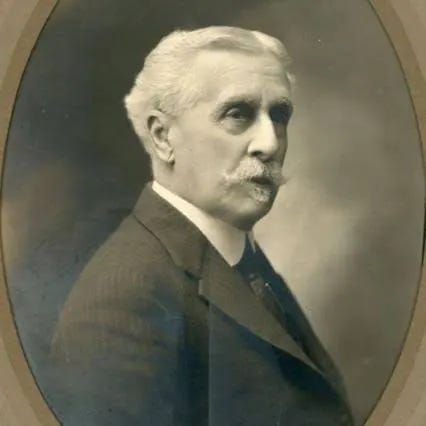
After three hundred years of insignificance—it is dry, warm, and isolated from central Mexico—a group of men said you know what, let’s do something, and ignited an industrial powerhouse. Among these guys, Isaac Garza Garza was the most prominent.
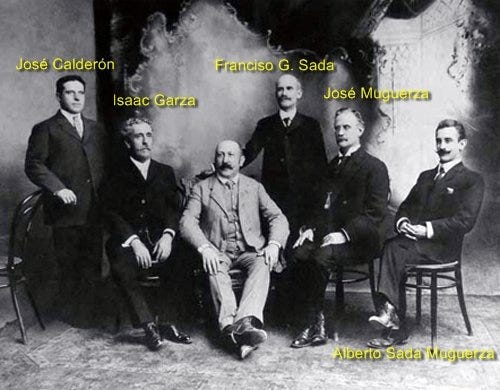
In the span of twenty years
He cofounded Cervecería Cuauhtémoc in 1890,
He cofounded the Fundidora, the first steel and iron foundry in Latin America, and, for many years, the most important one in the region in 1900, and
He cofounded Vitro in 1909, the largest glass producer in Mexico and one of the world's largest organizations in the glass industry.
Another relevant company still around today, CEMEX, was also founded during those years (1906).
Then, as the Mexican Revolution took place—1910 to 1917—Isaac sent his kids Eugenio and Roberto to study at the MIT. Others did the same, like Luis G. Sada.
There, they studied Frederick Taylor’s ideas and paid for the first Spanish translation of The Principles of Scientific Management in 1911.
When the civil war ended, the kids came back to Mexico and then applied the principles to further grow their families’ businesses.
Soon, these companies entered a period of sustainable growth, and the families branched out into other industries, even education, founding institutions like TEC de Monterrey and UDEM—the largest private universities in northern Mexico.
Today, these companies are some of the biggest in Mexico (FEMSA $41 billion, CEMEX $16 billion, Sigma $10 billion, Nemak $5 billion, revenue in 2024), and both Hylsa and Cervecería Cuauhtémoc were acquired in the past twenty years in multibillion dollar deals.
Arca Continental, Banorte, Xignux, Proeza, more billion dollar companies founded by either relatives or close friends, came later and together transformed Monterrey into the second city in terms of influence.
I grew up listening stories about these founders—100% men, 100% Catholic—hardcore industrialists with a strong work ethic and focused on building community while taking care of their employees.
SCYF, or Sociedad Cuauhtémoc y Famosa, was the first organization in Mexico to offer its workers access to health services, social security, and housing. It was founded in 1918 by Cervecería Cuauhtémoc, and still operates to this day.
There’s even references to labor rights in the Mexican Constitution of 1917 (article 123), an idea first coined in Mexico by these dudes.
All this to say that I was born and lived here from 1984 to 2019, and would like to believe that these work values and the will to fucking keep going even amidst challenges are still part of my identity.
For the past six years I’ve been living outside—first in Mexico City and now in Philly—but have always maintained a foot in the city, both because my mother, brother, and in-laws live here, and because Astrolab’s HQ is still here.
I still read the local newspaper (El Norte), think that BreAd is one of the best bakeries in the world, and have the conviction that Monterrey’s food scene is amazing… and definitely not vegan.
This Saturday I flew in for the first time in a year and have been catching up with friends and family.


Yesterday I went for a long walk at Calzada, a 2.5-kilometer lineal park in the middle of San Pedro Garza García, a town adjacent to Monterrey where I always lived.
I found myself eavesdropping on people’s conversations and enjoying the regiomontano—that’s the way we call people from Monterrey—accent.
I know, creepy.
But heartwarming, and somehow existential for me.
In these streets I—order is not chronological—fell in love for the first time, got drunk for the first time, got my first job, became a parent, fell and got out of a depression, married Vivi, made some of my best friends ever, got punched in the face several times, started Astrolab, saw The Blair Witch Project at midnight when I was fifteen years old, understood that I was a writer.
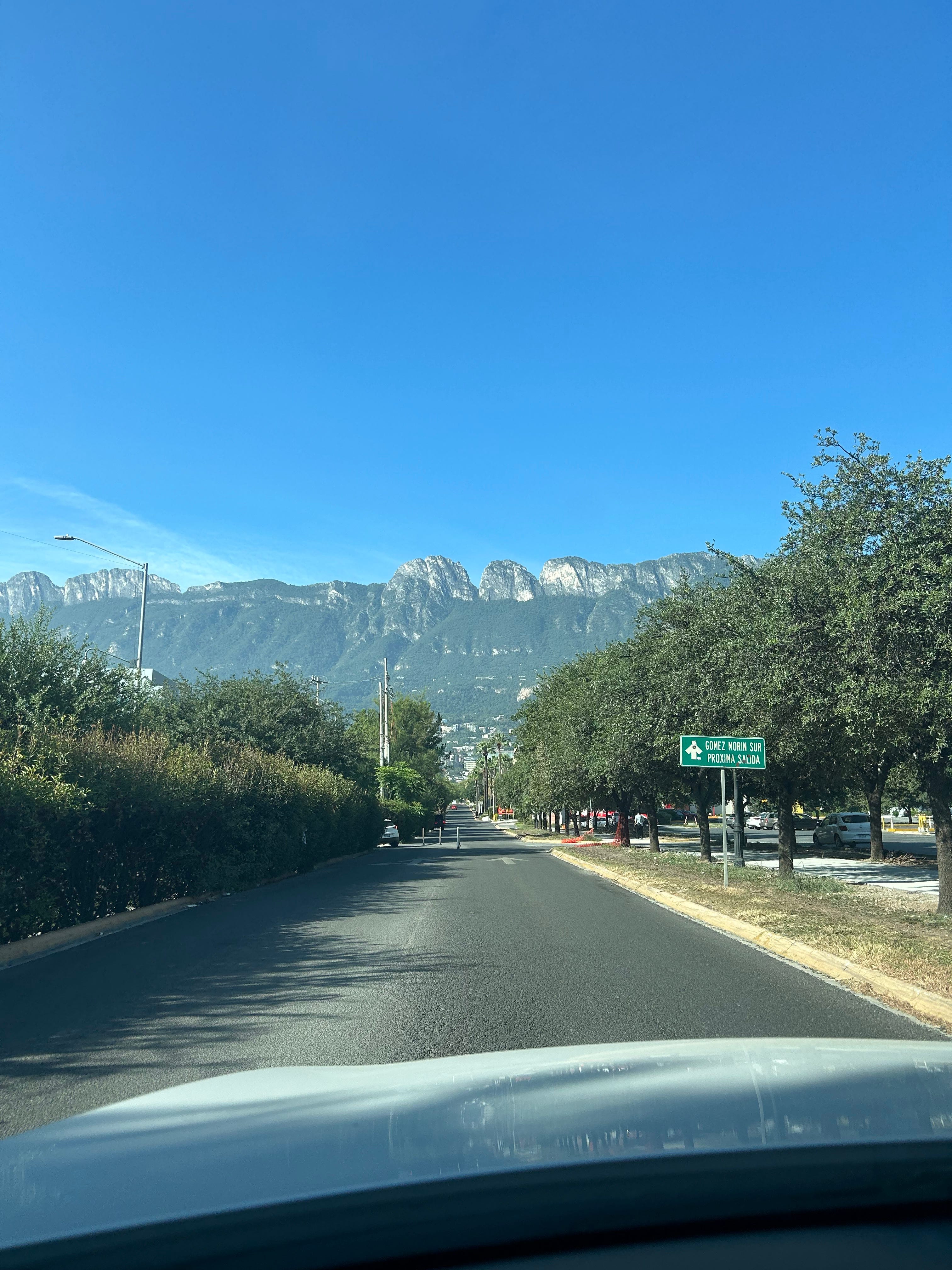
In this city of mountains I learned that things that matter are hard earned, and that people are mostly good.
#day202
Qué envidia estar ahí!